
About Jim Fruchterman
Bio
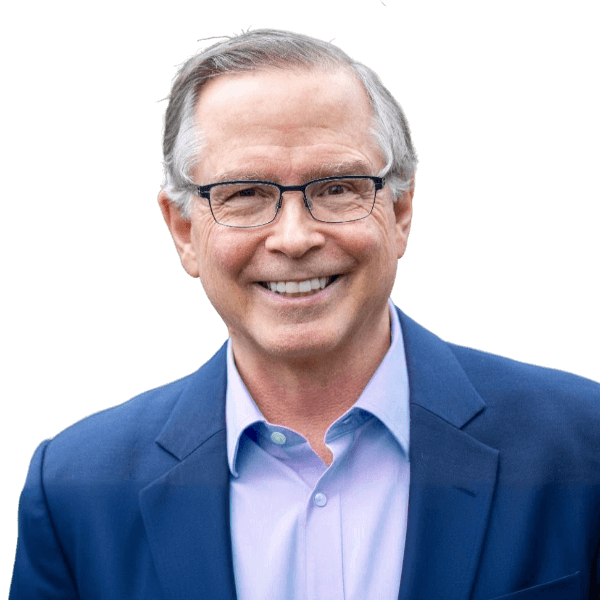
Jim Fruchterman
Palo Alto, California, USA
“The birthplace of Silicon Valley”
linkedin.com/in/jimfruchterman/
Current Position
Other Tech Nonprofit Boards
- Benetech
- Nexleaf Analytics

“Jim plays a senior mentor who other people look to as being a pioneer and who value his expertise. He brings strengths as a problem solver, and is brought in frequently to recommend solutions and advise others. The value he brings is somebody who has, over the course of a couple of decades, built institutions and a body of work and knowledge that others find to be valuable.
And he’s generous with his time and insights… He has built his life to bring oxygen for everybody.”
— Anamitra Deb, Omidyar
LIFE’S MISSION
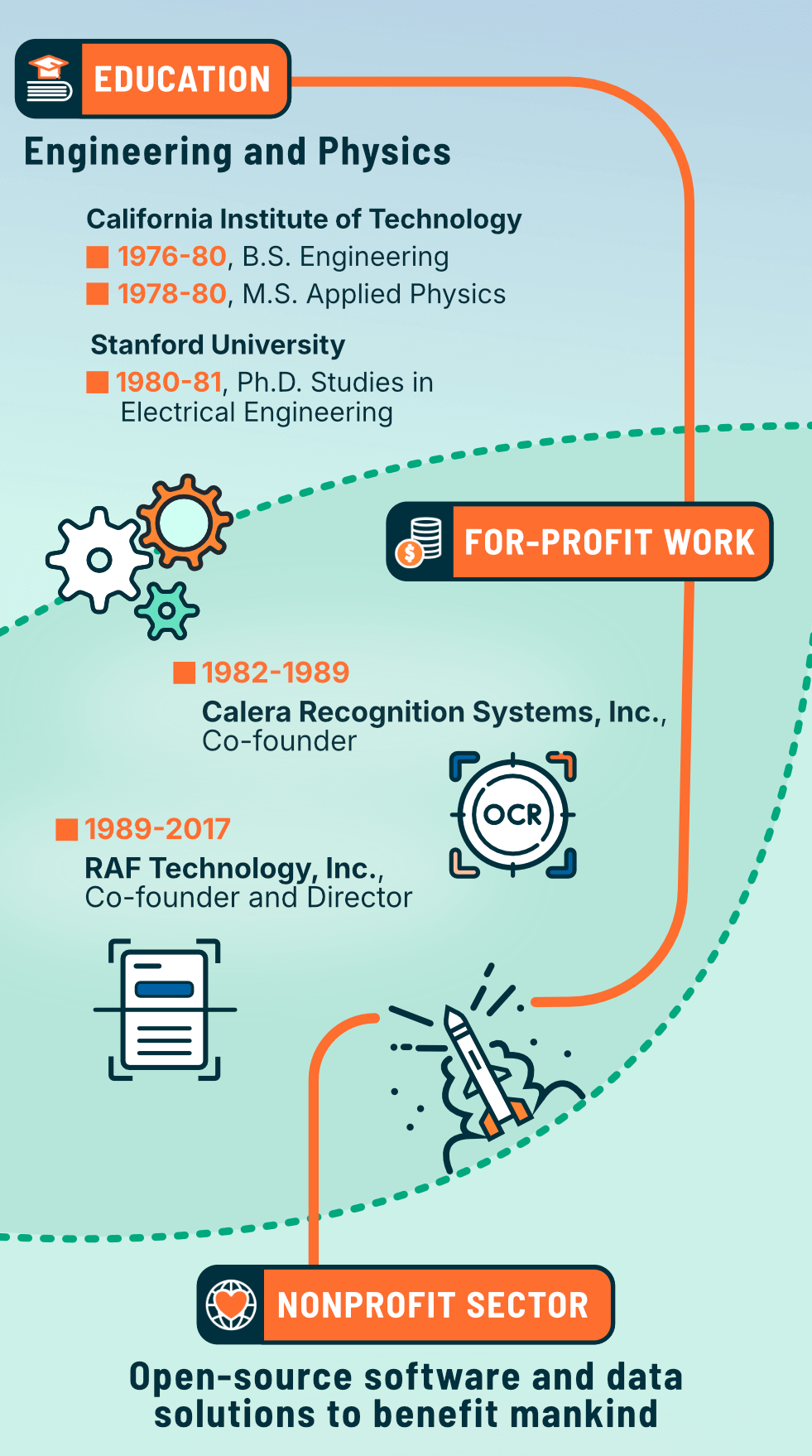
Applying technology to benefit the 90% of humanity typically neglected by for-profit tech companies, by building the tech and data for good movements and launching nonprofit open source software enterprises.
“Fruchterman identifies global problems and then finds technologies and people who can help solve them. He selects social entrepreneurship projects based on their potential for global impact.”
— Reporter, Clark Boyd
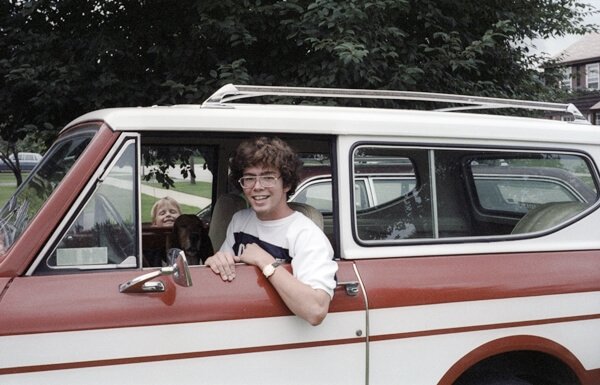
College-age Jim

The Rocket Story and A Different Kind of Launch
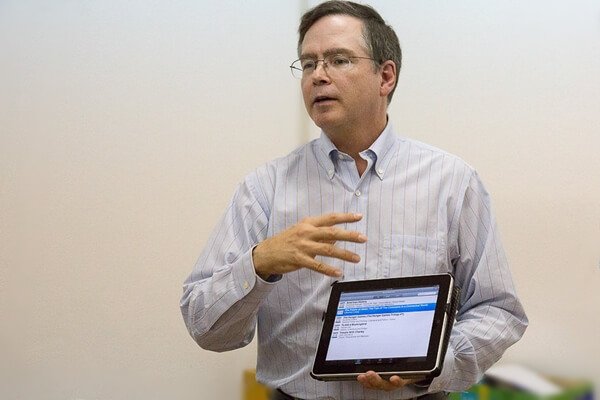
The Big Idea

College-age Jim
The Rocket Story and A Different Kind of Launch
The Big Idea
“Fruchterman’s example, more than his next single or home run, may be the most important platform he leaves the tech world.”
— Ned Desmond, Author at TechCrunch
Recognition for social change work
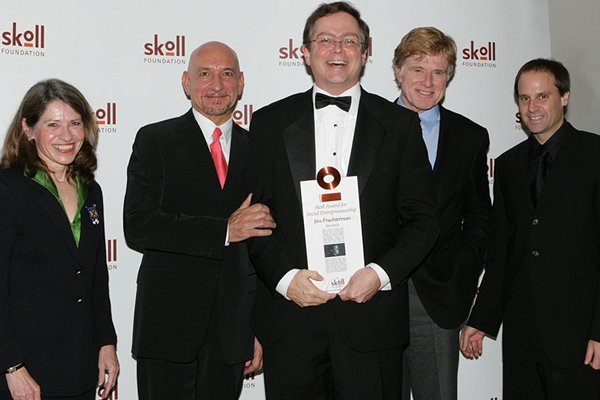
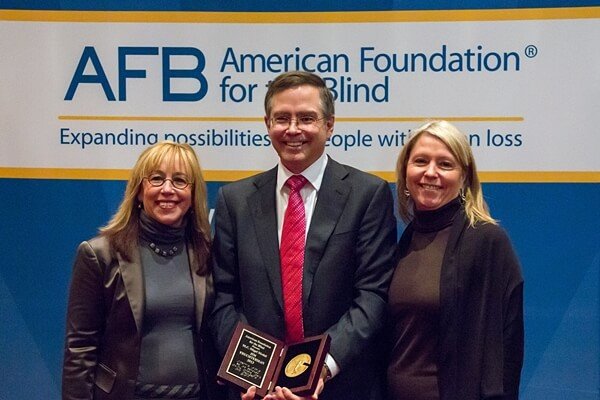
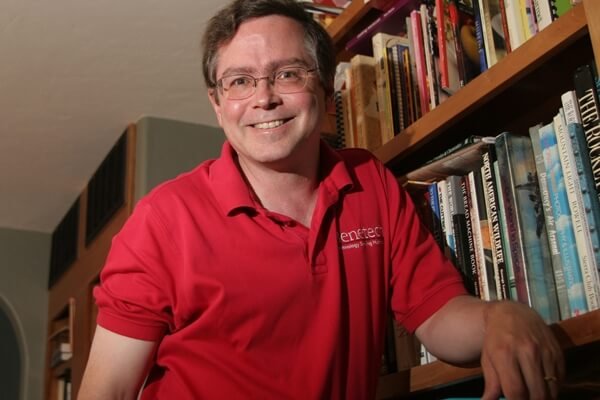
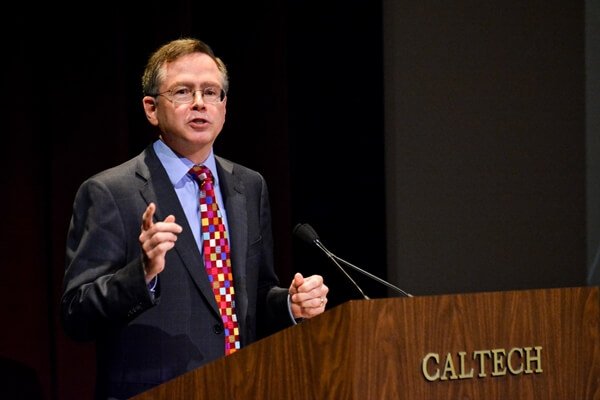
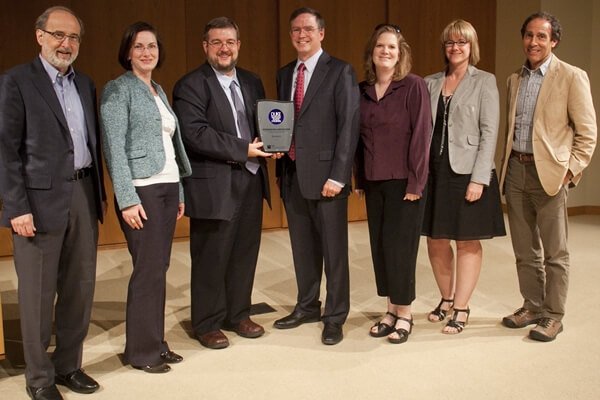
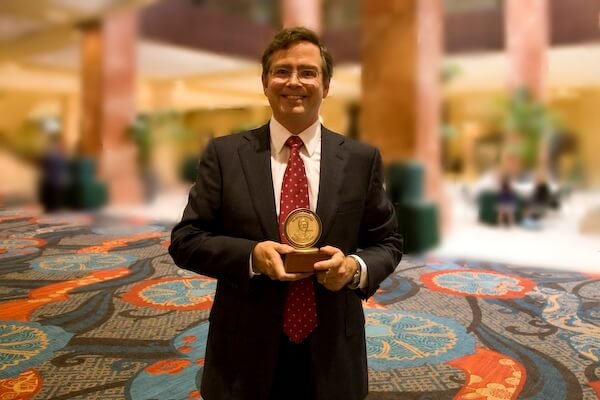
Top left to right: 1. Schwab Foundation Outstanding Social Entrepreneur, 2003 | 2. Skoll Award for Social Entrepreneurship, 2006 | 3. Migel Medal, American Foundation for the Blind, 2013 | 4. MacArthur Fellowship, 2006
Bottom left to right: 1. Caltech Distinguished Alumni Awardee, 2013 | 2. Doctor of Humane Letters (honoris causa), Northern Illinois University, 2016 | 3. CASE Award for Enterprising Social Innovation, Duke University Fuqua School of Business, 2011 | 4. Jacob Bolotin Award, the National Federation of the Blind, 2008
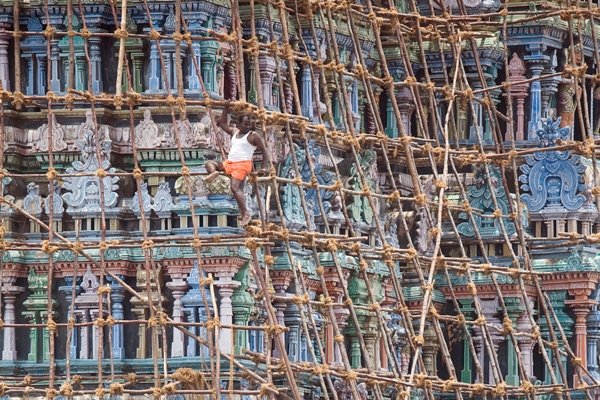
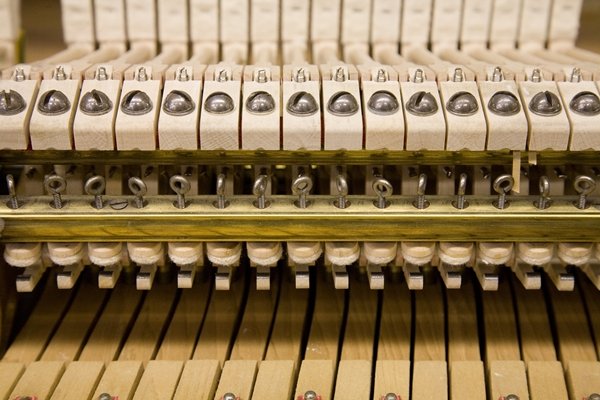
The world through my lens
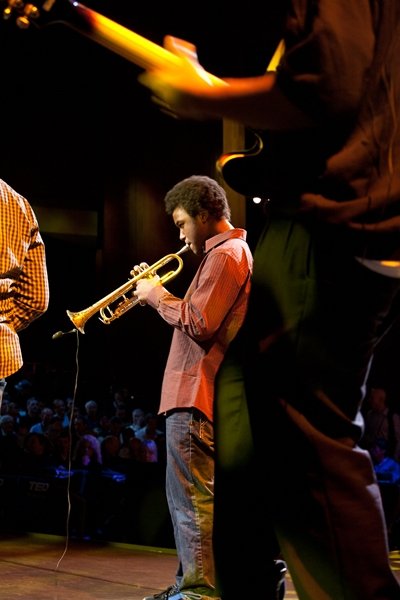
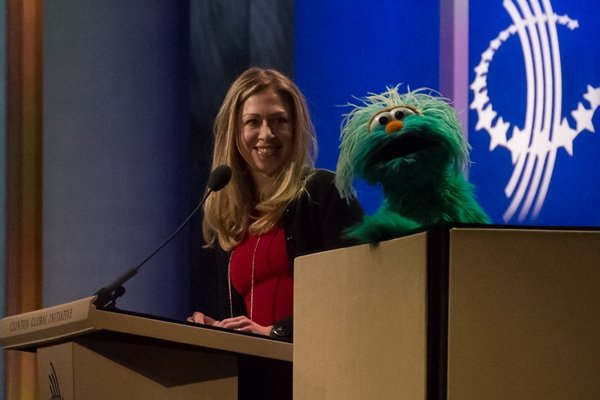
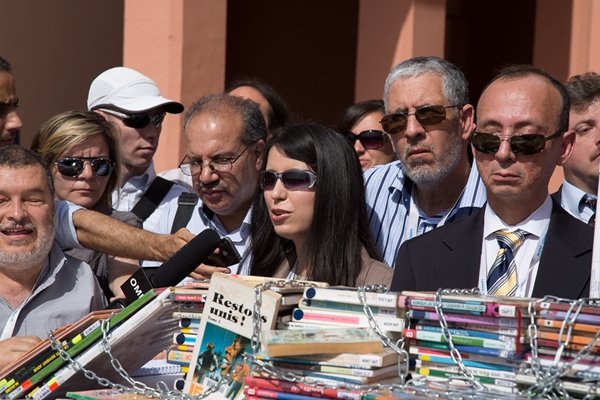
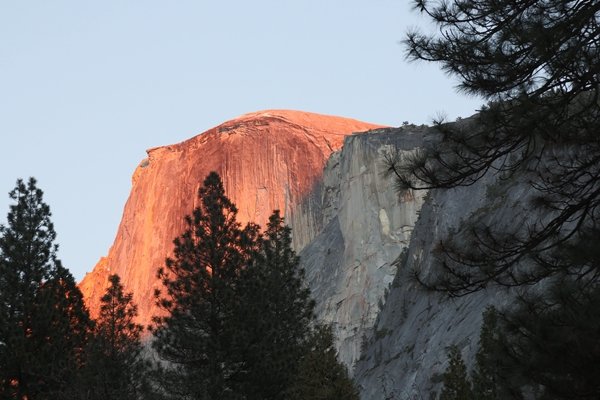
One of my favorite activities is taking pictures of the people and places I have the privilege to visit.





The Formal Bio
Jim Fruchterman, CEO, Tech Matters
Technologist for Good and Serial Entrepreneur
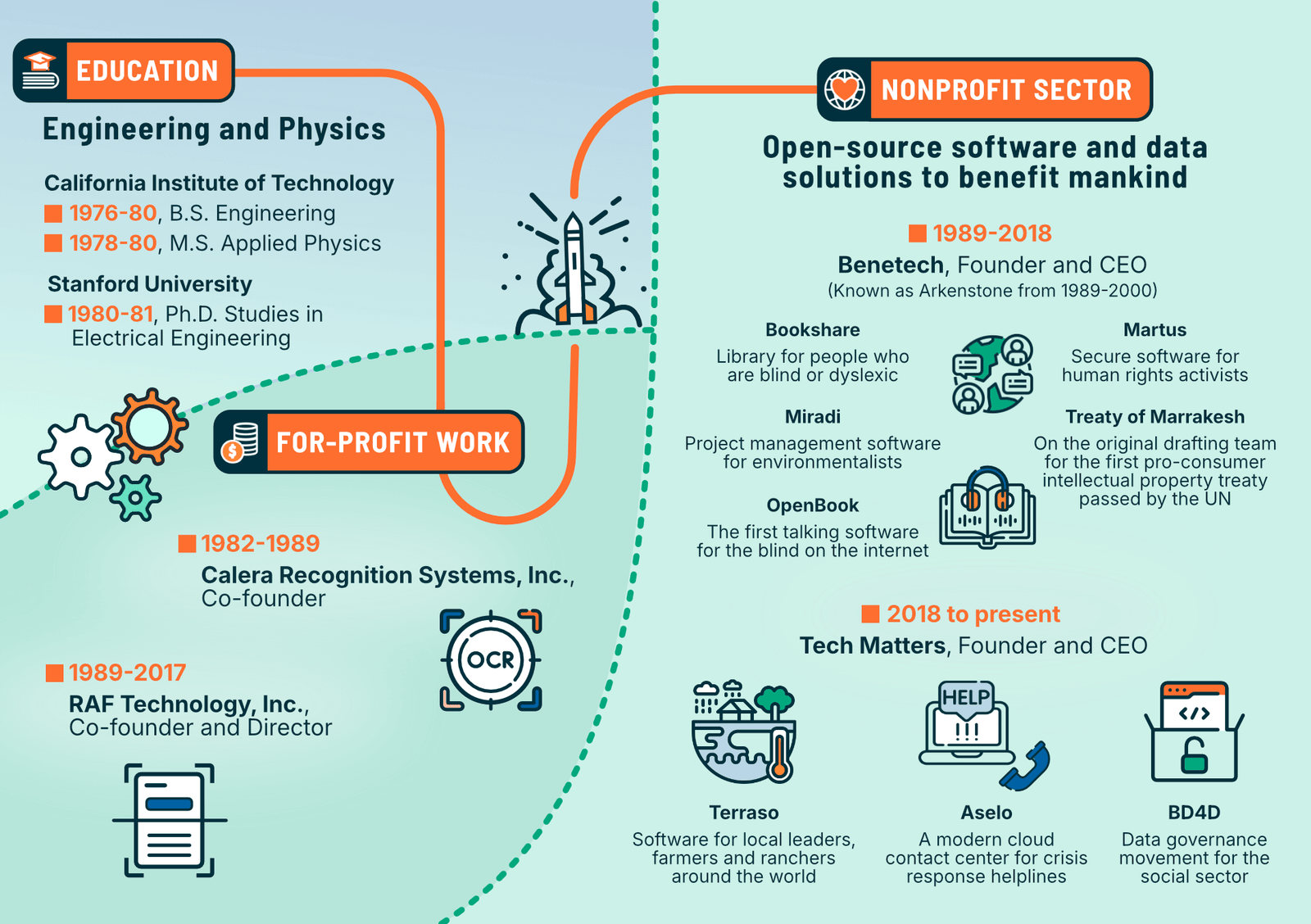
Jim Fruchterman is a leading social entrepreneur, a MacArthur Fellow, a recipient of the Skoll Award, and a Distinguished Alumnus of Caltech. His life’s work is applying technology to benefit the 90% of humanity typically neglected by for-profit tech companies, by building the tech and data for good movements and launching nonprofit open source software enterprises.
Jim’s career started with a private enterprise rocket company. Although the rocket blew up on the launch pad, this experience launched his entrepreneurial career in Silicon Valley, where he co-founded two successful machine learning/artificial intelligence companies.
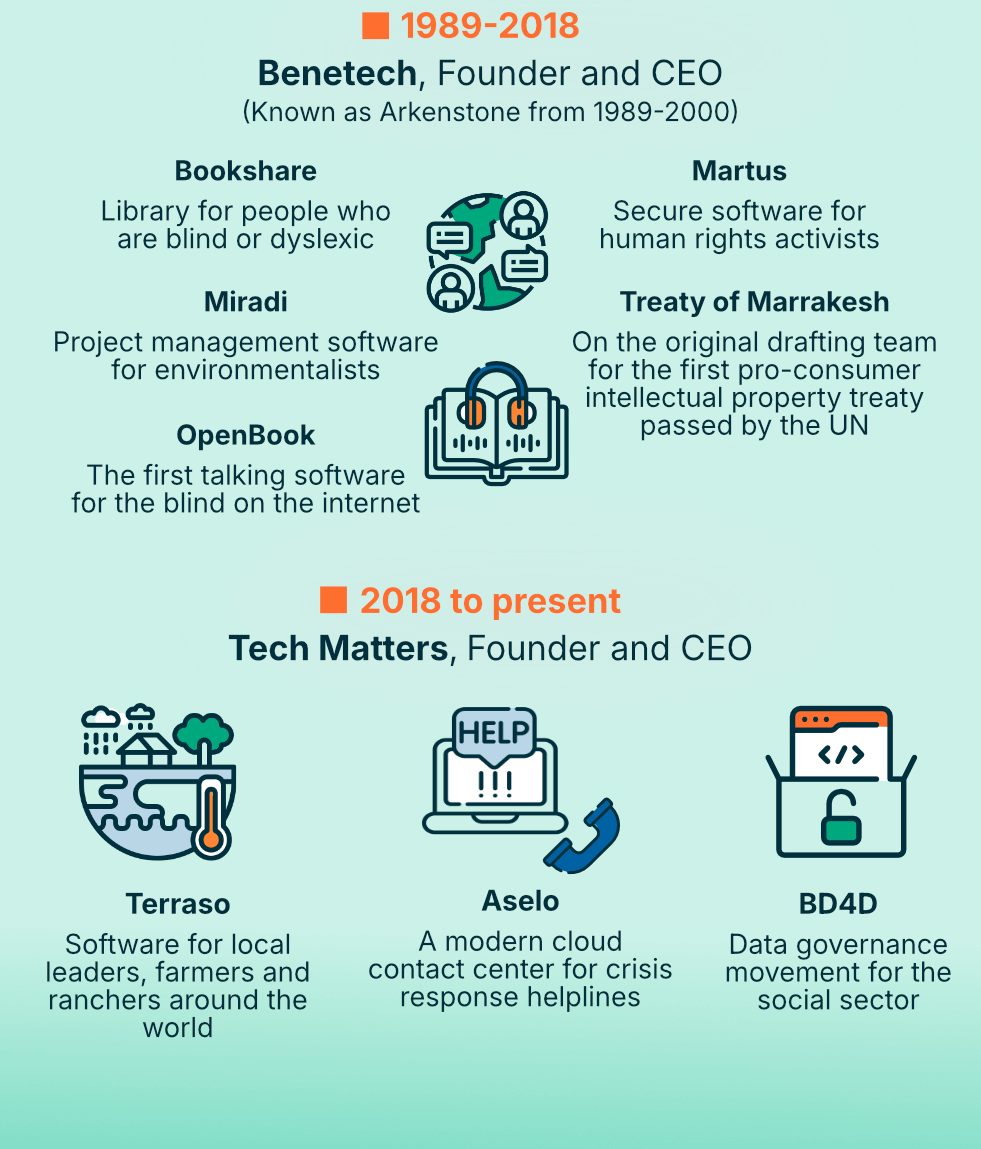
Jim’s first social good product was a machine that recognized letters and words and read those words aloud to people who are blind. He founded Benetech, a pioneering nonprofit technology company, to empower people with disabilities to read independently. He continued by creating Bookshare, which is now the largest library in the world for people who are blind or dyslexic. Jim was on the original drafting team for the Treaty of Marrakesh, the first pro-consumer intellectual property treaty passed by the United Nations.
In 2018, Jim founded Tech Matters, as a tech for good nonprofit. Tech Matters builds the technology for social good movement, helping social change leaders use tech to achieve impact at scale. Tech Matters has built Aselo, a shared modern contact center for crisis response helplines, Terraso, software for smallholders and locally-led sustainability initiatives responding to climate change, and the Better Deal for Data, a data governance movement.
Through his work as a trailblazer in the field of social entrepreneurship, Jim continues today advancing his vision of a world in which the benefits of technology reach all of humanity, not just the wealthiest and most able ten percent.