
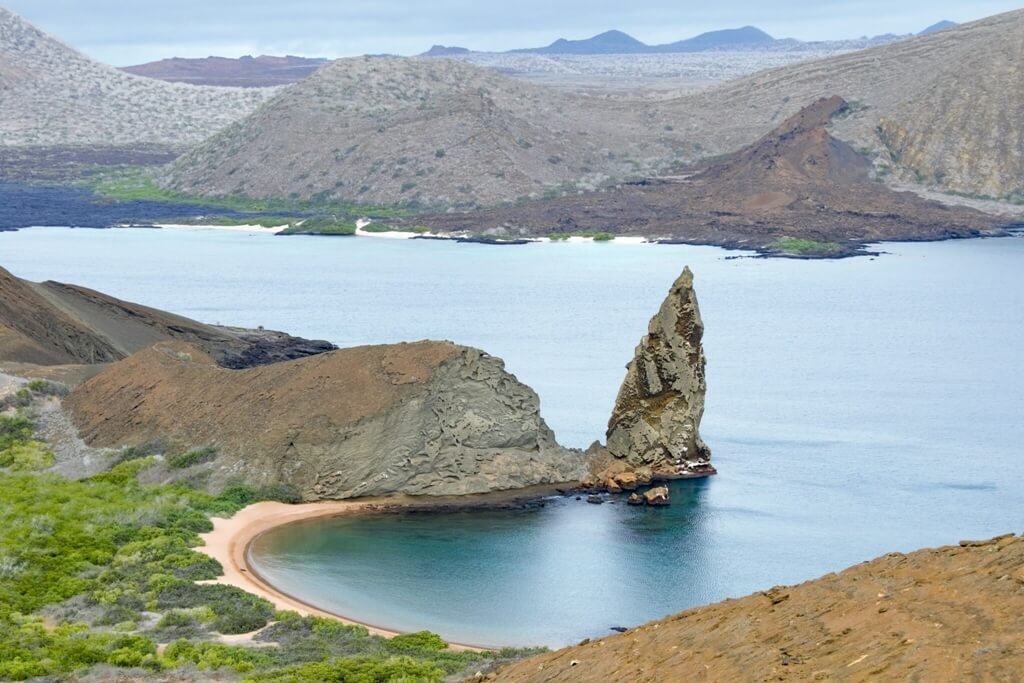
At the end of April, 2022, Tech Matters’ Terraso program team headed to the Galapagos to join our six international partner organizations in the 1000 Landscapes for 1 Billion People (1000L) initiative, for a five-day co-design workshop. The purpose of this workshop was two-fold. First, to inspire and accelerate design efforts through active and engaging dialogue, and second, to deepen our working relationships through in-person interaction. The dozens of attendees have been working together over the past two and a half years to build this initiative, without the benefit of in-person meetings.
For background, the goal of 1000L is to channel tools, information and funding to local leaders around the world, trying to build more sustainable and regenerative local economies against the backdrop of climate change. Often, this boils down to, something as simple as how can we boost farmer incomes while using less water.
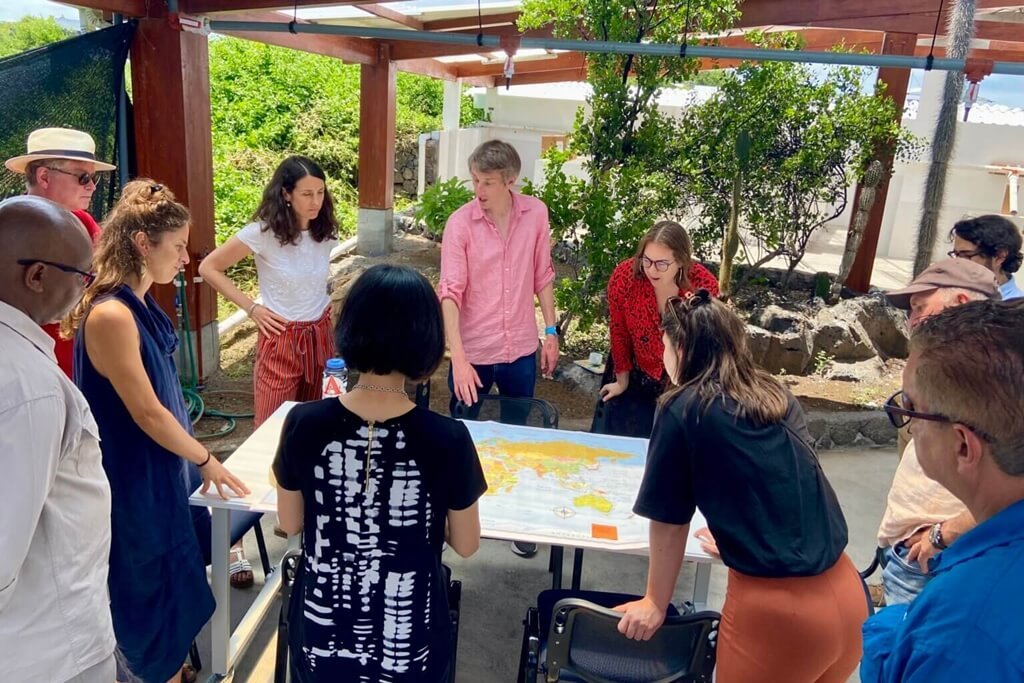
Most of our time was spent in co-design sessions taking advantage of the fact that we were all together in person instead of on Zoom spread out over five different time zones. This allowed us to really dig into the design work around all of the key parts of 1000L: the landscape learning modules, finance assessment tools and Terraso digital platform, as well as exploring communication and scaling strategies.
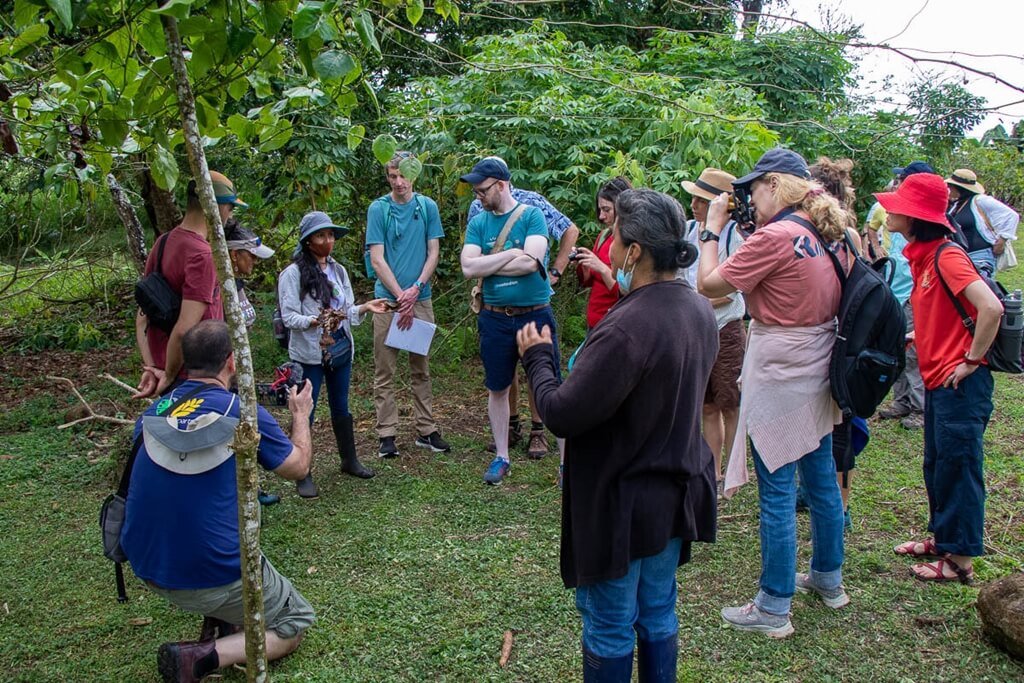
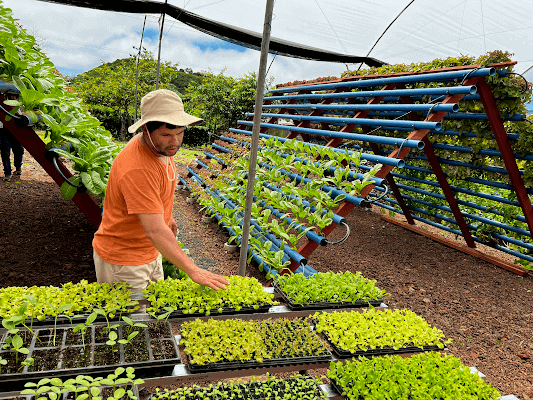
Romer’s experience reminds us that sustainability solutions depend on a confluence of policy, business, finance, and community. As we build Terraso, we must remember that systems thinking approaches are necessary to achieve success both for the Terraso product and the landscape actors we are building for, while keeping the real people on the ground, like Ochoa, in mind.
Following the field visits, we heard from a dozen local leaders from different parts of the Galapagos agriculture, tourism, and community. Their stories were vivid and real. One of best stories was from the head of the local surfer club, who had effectively collected and used data to advocate for improved access to recreational opportunities (like surfing spots) for community residents. The Terraso team is always excited to hear stories about how data drove positive change!
As data people steeped in assessment, one of those vivid stories was about how local NGO leaders felt about assessments. One leader pointed out that “assessment” can feel a lot like judgment. People who go through the process can feel inadequate if the experience is designed without the user’s experience in mind. This was a good reminder that we need to step back and think through the ways that Terraso can be built to make the process of building capacity an affirming experience that celebrates the exchange of knowledge, rather than a stressful one that leaves people doubting their abilities.
It was a tremendously powerful and successful workshop. Having the opportunity to do site visits really drove home the challenges our Terraso stakeholders face and the importance of the co-design process. Being in person truly allowed us to advance our design efforts, and our relationships flourished, laying the groundwork for many more Zoom meetings!
To learn more about our experience make sure to watch the Galapagos video blog.